Managing Daily Expenses While Backpacking in Japan
Backpacking through Japan offers a unique opportunity to experience a blend of ancient traditions and modern innovation, but managing daily expenses requires careful planning. Many travelers worry that a trip to Tokyo, Kyoto, and Osaka will drain their savings, yet with informed strategies, it is possible to explore these cities without overspending. This article outlines practical approaches to budgeting for meals, transportation, and attractions while maintaining a rich travel experience.
Japan is known for its high standards of living, but it also provides numerous options for budget-conscious backpackers. By understanding how costs are structured and where flexibility exists, you can allocate your funds efficiently. The key is to focus on value rather than simply cutting costs, ensuring that you do not miss out on the cultural highlights that make Japan so appealing.
Whether you are a first-time visitor or a seasoned backpacker, the following sections will guide you through meal planning, transportation passes, and low-cost attractions. These suggestions are intended to be adaptable to different travel styles and budgets, allowing you to tailor your approach. Remember that prices and availability can vary, so always verify current information before your trip.
Budgeting for Meals
Food is a central part of the Japanese travel experience, and it is possible to eat well without spending a fortune. Convenience stores, known as konbini, offer a wide range of affordable and ready-to-eat options such as onigiri, bento boxes, and sandwiches. These can serve as quick breakfasts or light lunches, often costing just a few hundred yen. Supermarkets also discount prepared foods in the evening, providing an opportunity to pick up discounted sushi or bento for dinner.
For a more substantial meal, consider standing noodle bars and gyudon chains, where you can enjoy a filling bowl of ramen or beef bowl for under 1000 yen. These establishments are common in Tokyo, Kyoto, and Osaka, and they offer a fast, casual dining experience. Lunch sets at restaurants are typically more affordable than dinner, so planning your main meal at midday can lead to significant savings.
If you are staying in a hostel with kitchen facilities, preparing your own meals can further reduce costs. Local grocery stores and markets provide fresh ingredients at reasonable prices. Additionally, exploring street food stalls at festivals or markets can be a fun way to sample local specialties without a large financial outlay. Keep in mind that portion sizes and prices vary, so it is wise to set a daily food budget and track your spending.
Drinking water is readily available from taps and public fountains, so carrying a reusable bottle can help you avoid purchasing beverages. Vending machines are ubiquitous, but they can add up quickly; instead, buy drinks from supermarkets or drugstores for lower prices. Alcohol can be expensive in bars, so consider enjoying a drink at your accommodation or during happy hour promotions. Overall, a mix of convenience store meals, casual eateries, and self-catering can keep your food expenses manageable while still allowing you to enjoy Japanese cuisine.
Navigating Transportation Costs
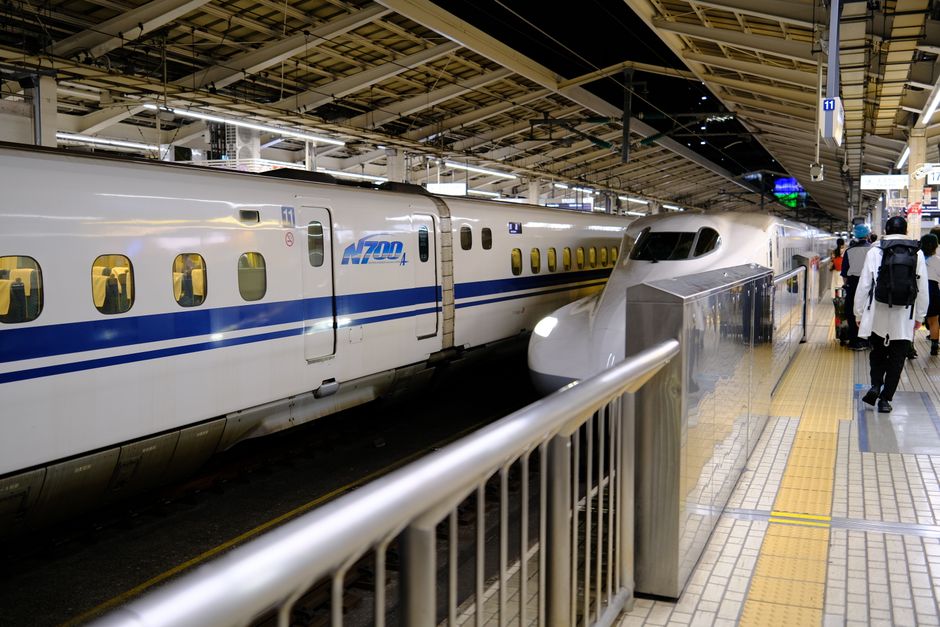
Japan’s transportation network is efficient but can be costly if not planned carefully. For backpackers, the choice between individual tickets and passes depends on your itinerary. In Tokyo, the subway and train system is extensive, and a prepaid IC card such as Suica or Pasmo can simplify payments and offer slight discounts compared to paper tickets. However, if you plan to travel extensively within a day, a day pass for the subway might be more economical.
For travel between cities, the Japan Rail Pass can be a good option for those covering long distances, but it may not be cost-effective for shorter routes or if you are staying mainly in one region. Regional passes, like the Kansai Thru Pass for Kyoto and Osaka, can provide unlimited travel on certain trains and buses. Buses, including overnight buses, are often cheaper than trains, though they take longer. Budget airlines also connect major cities, and with advance booking, fares can be low.
Within cities, walking and cycling are excellent ways to save money and see more. Kyoto and Osaka are relatively compact, and many attractions are within walking distance of each other. Renting a bicycle for a day can be both economical and enjoyable. When using public transport, avoid peak hours if possible to reduce crowding, and always have your IC card ready. Taxis are expensive and best avoided unless necessary. By mixing walking, public transport, and occasional long-distance buses or trains, you can control your transportation budget.
Low-Cost Attractions and Activities
Many of Japan’s most memorable experiences are free or low-cost. In Tokyo, visiting the Meiji Shrine, wandering through the Asakusa district, and exploring the Imperial Palace East Gardens cost nothing. Kyoto offers numerous temples and shrines with nominal entrance fees, and simply strolling through historic neighborhoods like Gion is an attraction in itself. Osaka’s Dotonbori area is vibrant and free to explore, and the Osaka Castle Park is perfect for a picnic.
Museums and galleries often have discounted admission on certain days or for students. Check official websites for free admission days or combination tickets. Cultural performances, such as traditional theater, can be expensive, but some community centers offer affordable workshops or performances. Festivals, known as matsuri, are frequent throughout the year and provide free entertainment and cultural immersion.
Nature lovers can enjoy hiking in areas like Mount Takao near Tokyo or the Philosopher’s Path in Kyoto. These activities require only transportation costs and perhaps a small fee for cable cars. Additionally, many cities have free observation decks, such as the Tokyo Metropolitan Government Building, offering panoramic views without the price tag of paid observatories.
To maximize your budget, prioritize a few paid attractions that are of high interest and balance them with free activities. Consider purchasing a city-specific attraction pass if you plan to visit multiple paid sites, but calculate whether it will actually save you money based on your itinerary. Always research current prices and opening hours to avoid surprises.
Accommodation and Miscellaneous Expenses
Accommodation is often the largest expense for backpackers, but hostels, capsule hotels, and guesthouses provide affordable options. Booking in advance can secure lower rates, especially during peak seasons. Staying in one city for multiple nights can reduce travel time and costs. Some hostels offer free breakfast or kitchen facilities, further cutting expenses.
Miscellaneous costs include SIM cards or pocket Wi-Fi, laundry, and souvenirs. Purchasing a data-only SIM card or renting a pocket Wi-Fi device can keep you connected without high roaming fees. Laundry facilities at hostels are usually affordable. For souvenirs, consider 100-yen shops or local markets for unique, inexpensive gifts.
It is also important to set aside a small emergency fund for unexpected expenses, such as medical care or changes in plans. Travel insurance is recommended, though it is an additional cost. By tracking your daily spending, you can adjust as needed and ensure you stay within your overall budget.
Wanderlust Journeys emphasizes that every traveler’s budget is personal, and what works for one may not work for another. Flexibility and research are your best tools. With careful planning, backpacking in Japan can be an enriching experience without financial stress.